Nan Khatai Recipe | Easy Pakistani Shortbread with Crushed Almonds

Photo: Nankhatai biscuits, by S.M. Samee, via Wikimedia Commons, CC BY-SA 4.0.
Some biscuits are just biscuits. Nan khatai is not one of them. It is the crumbly, melt-in-the-mouth shortbread that sits on every Pakistani tea table — light golden, cracked on top, with an almond pressed in the middle — and it is one of the oldest biscuits our bakery makes. I am Kashf, and I work with this biscuit every day. In this article I will share our bakery's own 1 kg recipe exactly as it runs on our counter, and then scale it down into a home version that works in a home oven, with the two small changes home baking honestly needs.
Recipe at a Glance
| At a glance | |
|---|---|
| Bake time | 15–20 minutes |
| Oven | 150–180°C |
| Home batch | 12–14 biscuits |
| Factory batch | 1 kg |
What Is Nan Khatai?
Nan khatai is a shortbread biscuit from the Indian subcontinent, made from just a few things: maida (refined flour), ghee, powdered sugar, and a little flavour — cardamom, and almonds on top. Its name comes from the Persian words for bread and Cathay, and it is believed to go back to the 16th century. It is always eggless. A good nan khatai is pale gold, never brown; it cracks a little on top as it bakes; and it crumbles the moment you bite it, then melts away. It is the biscuit that belongs with doodh pati and evening chai — the same family as our crispy butter cookies, only softer and more crumbly.
Our Bakery's 1 Kg Recipe — Kashf's Own Formula
This is the real recipe from our bakery counter, for one full batch of nan khatai — shared exactly as it is written on our recipe screen, no rounding, no hiding:
| Ingredient | For 1 kg batch |
|---|---|
| Sugar (powdered) | 308 g |
| Maida | 308 g |
| Ghee | 269 g |
| Khasta badam (crushed almonds — the small kernel found inside an apricot) | 96 g |
| Butter | 38 g |
| Qulfa (kulfa) essence | 0.385 ml |
Two things about this formula are worth noticing. First, the sugar and the maida are exactly equal — 308 g each. That 1:1 ratio is the bakery's own sweetness: richer and sweeter than most home recipes, which use less sugar. Second, the crushed almonds (khasta badam — the small kernel found inside an apricot) go INTO the dough — 96 g of them. Most home recipes only put almond slivers on top. Ours mixes them through the biscuit, so every bite has almond in it. That is our bakery's signature.
How does the bakery bake it? Our oven is a big gas oven with a rotating deck — and it has no temperature gauge at all. The bakers open the small window again and again and judge by eye: when the colour is right, the biscuits come out. The sugar goes in powdered (we grind it at the bakery), and the ghee is usually heated and melted before it goes into the dough. In hot weather, the biscuit makers keep the ghee tin packed in ice so the ghee firms up — firm ghee goes into some doughs in summer. That is an honest bakery practice from our own counter, and the same instinct home cooks follow when they insist on semi-solid ghee.
The Home Version — Half Batch for Your Kitchen
A 1 kg factory batch is too much for a home kitchen, so here is the same recipe cut in half — about 154 g of maida, which makes 12 to 14 biscuits. The home version keeps Kashf's formula pure, with two honest changes that home baking needs. Home recipes always add a little besan (gram flour) and sooji (fine semolina) for the crumbly texture, and they always use leavening — our factory screen lists none, so the home version adds it, and says so plainly. Home cooks also use semi-solid ghee, never melted liquid ghee — melted ghee makes a flat, dense biscuit with no cracks. Our factory melts its ghee at scale; at home, semi-solid is the rule every home cook agrees on.
For the home half-batch, you need:
• Maida — 154 g (about 1¼ cups)
• Powdered sugar — 154 g (about ¾ cup + 2 tablespoons)
• Semi-solid ghee — 135 g (about ⅔ cup), at room temperature, grainy not liquid
• Crushed almonds (khasta badam — the small kernel found inside an apricot) — 48 g (about ¼ cup)
• Butter — 19 g (about 1½ tablespoons)
• Baking powder — ½ teaspoon
• Baking soda — ¼ teaspoon
• Cardamom (elaichi) powder — ½ teaspoon (the home flavour; the factory's kulfa essence is its own touch, not a home requirement)
• A pinch of salt
• Almond slivers, to press on top
Method:
1. Beat the semi-solid ghee and the butter with the powdered sugar until the mixture turns pale, light and creamy — about 3 to 4 minutes. This creaming is what makes the biscuit crumbly, so do not rush it.
2. Sift in the maida, baking powder, baking soda, cardamom and salt. Add the crushed almonds (khasta badam — the small kernel found inside an apricot). Mix with a light hand only until a soft dough comes together — do not knead it like bread dough, or the biscuits will turn hard.
3. Rest the dough for 10 minutes. Roll small balls, a little smaller than a golf ball, and press one almond sliver gently on top of each.
4. Place on a lined tray with space between them. Bake at 170°C for 15 to 18 minutes, until the tops are lightly cracked and the edges are just pale gold. Home ovens agree on this: 165 to 170°C, 15 to 20 minutes, and never let them brown.
5. Do not touch them while they are warm. Leave the biscuits on the tray for 15 to 20 minutes — they are fragile when hot and they set and crisp as they cool. Then move them to an airtight tin.
No oven? The same biscuits bake in a heavy cooker or pateela: spread salt at the bottom, set a stand inside, cover and heat on a medium flame for 15 to 20 minutes, until the tops crack. That is how many home cooks make them, and it works.
Watch it being made: our Nan Khatai Short shows the whole bake in 40 seconds.
Factory Batch vs Home Batch — Side by Side
One recipe, two kitchens. Every figure below is already in this article — the factory column is Kashf's own 1 kg formula from the bakery counter, and the home column is the same recipe cut in half, with the two honest changes home baking needs (leavening, and cardamom instead of the factory's kulfa essence).
| Ingredient | Factory — 1 kg batch | Home — half batch (12–14 biscuits) |
|---|---|---|
| Maida | 308 g | 154 g |
| Powdered sugar | 308 g | 154 g |
| Ghee | 269 g (melted, factory way) | 135 g (semi-solid, never melted) |
| Crushed almonds (khasta badam — the small kernel found inside an apricot) | 96 g, mixed into the dough | 48 g, mixed into the dough |
| Butter | 38 g | 19 g |
| Qulfa (kulfa) essence | 0.385 ml | — (factory only) |
| Baking powder | — (none in the factory formula) | ½ teaspoon |
| Baking soda | — (none in the factory formula) | ¼ teaspoon |
| Cardamom (elaichi) powder | — (factory uses kulfa essence) | ½ teaspoon |
| Salt | — | A pinch |
Read it in one glance: sugar and maida stay exactly equal (308 g each) at factory scale and at home (154 g each) — that 1:1 ratio is the bakery's own sweetness. The ghee is the only thing that changes state, not amount: melted at the factory, semi-solid at home.
Bakery Secrets That Keep It Crumbly
• Powdered sugar, never grainy. Grainy sugar leaves hard specks; powdered sugar melts into the dough and gives the melt-in-the-mouth feel.
• Semi-solid ghee, never melted. Melted ghee cannot be creamed, so the biscuit comes out flat and greasy. Grainy, room-temperature ghee whips up light.
• Do not overwork the dough. Mix only until it comes together. Kneading builds gluten, and gluten is the enemy of a crumbly biscuit.
• Judge by colour, like the bakery does. Pale gold is done; brown is overdone. Nan khatai should never brown the way a cookie does.
• Let them cool untouched. Every home cook says the same thing: the biscuits set as they cool. Move them warm and they break.

Save this recipe on Pinterest for later.
Myth vs Fact
Myth: "Nan khatai needs a fancy oven."
Fact: Our bakery oven has no temperature gauge at all — the bakers judge by colour. At home, a plain oven at 170°C works, and so does a heavy cooker on a medium flame.
Myth: "Melted ghee is fine — ghee is ghee."
Fact: Melted liquid ghee makes a flat, dense biscuit with no cracks. Semi-solid, grainy ghee is what creams up light and gives the crumbly top. Our factory melts ghee at its own scale; at home, semi-solid is the rule.
Myth: "More sugar makes a better nan khatai."
Fact: Our bakery's 1:1 sugar-to-maida ratio is already the sweet end. More sugar makes the biscuit spread, brown and turn hard instead of crumbly.
Frequently Asked Questions
Can I make nan khatai without an oven?
Yes. Bake them in a heavy cooker or pateela with salt spread at the bottom and a stand inside, on a medium flame for 15 to 20 minutes, until the tops crack. The same recipe works — only the heat source changes.
Why did my nan khatai turn out flat and hard?
Almost always one of two things: melted ghee instead of semi-solid ghee, or a dough that was kneaded too much. Use grainy, room-temperature ghee, cream it well with the sugar, and mix the flour in with a light hand only until it comes together.
Is nan khatai eggless?
Yes — always. Our bakery recipe has no egg, and neither does any home version. The crumbly texture comes from the ghee and the light mixing, not from eggs.
Can I use butter instead of ghee?
Our factory recipe already uses a little butter — 38 g — alongside 269 g of ghee. All ghee gives the classic crumbly nan khatai. All butter will still bake, but it tastes more like a butter cookie and loses the traditional flavour. If you try it, keep at least half the fat as ghee.
From Our Bakery to Your Kitchen
Nan khatai is proof that a biscuit does not need a long ingredient list to be loved — it needs the right ratio, the right ghee, and a baker who watches the colour instead of the clock. Our 1 kg formula has fed tea tables for years, and the half batch above brings the same biscuit into your kitchen — just as our soft milk bread brings the bakery loaf home. Make a tin of them, keep them airtight, and serve them with chai the way they were meant to be served: warm from the tin, crumbly in the hand, gone too soon. And if you like keeping your recipes in one place, the printable Recipe Cards are made for exactly that — one card per recipe, ready for the kitchen wall.
More From Our Bakery Counter
 Khoya vs Paneer: What's the Difference? |
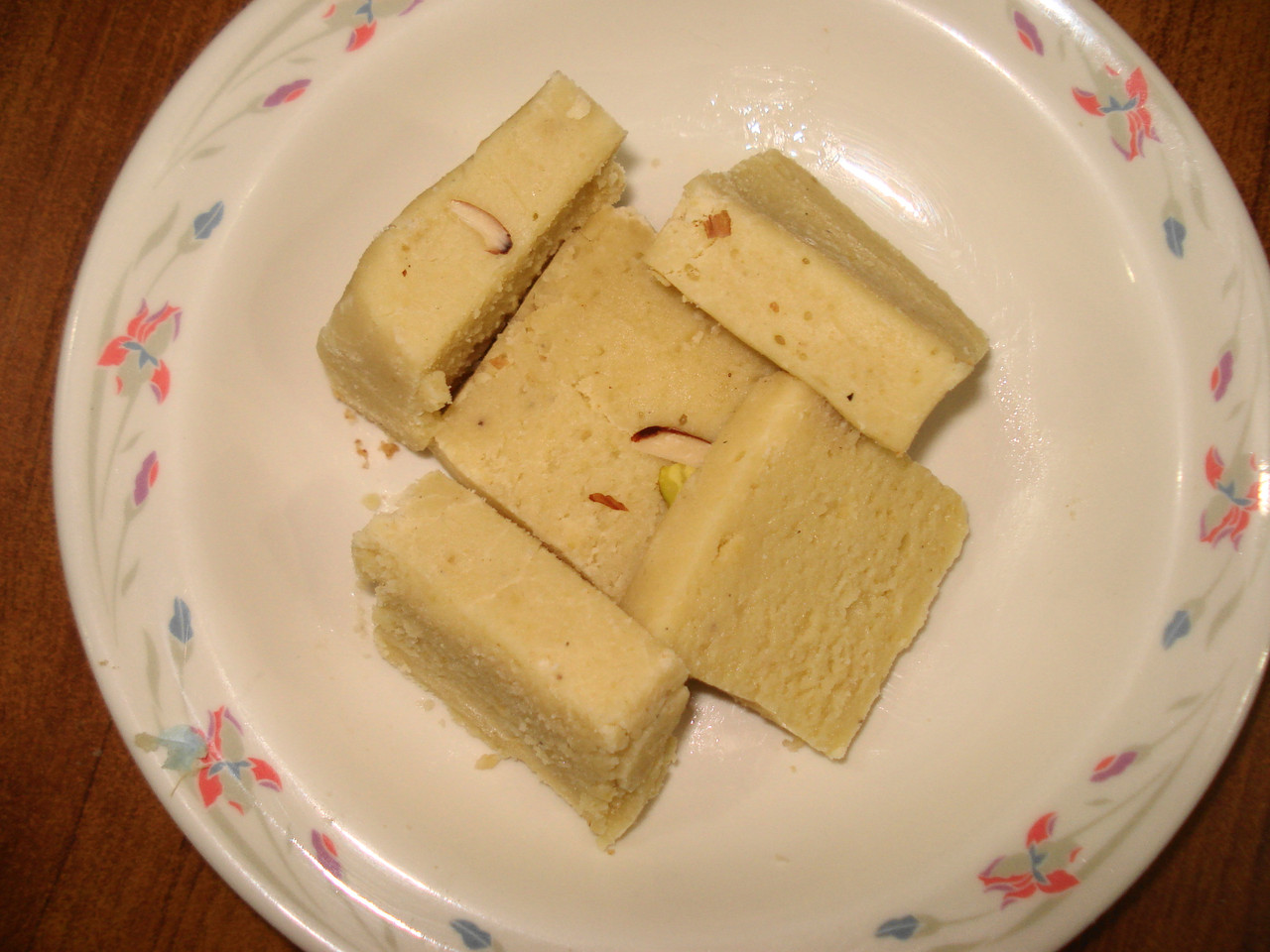 Melt-in-Mouth Barfi Recipe |
 Soft Spongy Rasgulla at Home |
Coming Next on Baking With Kashf
There is more coming from our bakery counter, and we would love you to stay with us for both. First, on Friday 13 November 2026, a chatpata post — the custom-cake-order comedy, with all the funny, all-too-familiar things customers ask for. Then, on Monday 16 November 2026, our Sohan Halwa recipe — Monday ko share hogi — the golden, nut-studded sweet that takes hours of slow stirring, and the home version that actually works. Do come back for both!
About the Author
I am Kashf — sharing the secret recipes of a branch of one of Pakistan's famous bakeries. Every recipe here is tested at our bakery counter and in my own kitchen.
Never Miss a Recipe
Get our free Mithai Rescue Chart and never miss a recipe from our bakery counter.

Comments
Post a Comment