Kunafa Recipe | The Arabic Dessert With a Clever Pakistani Jugaar
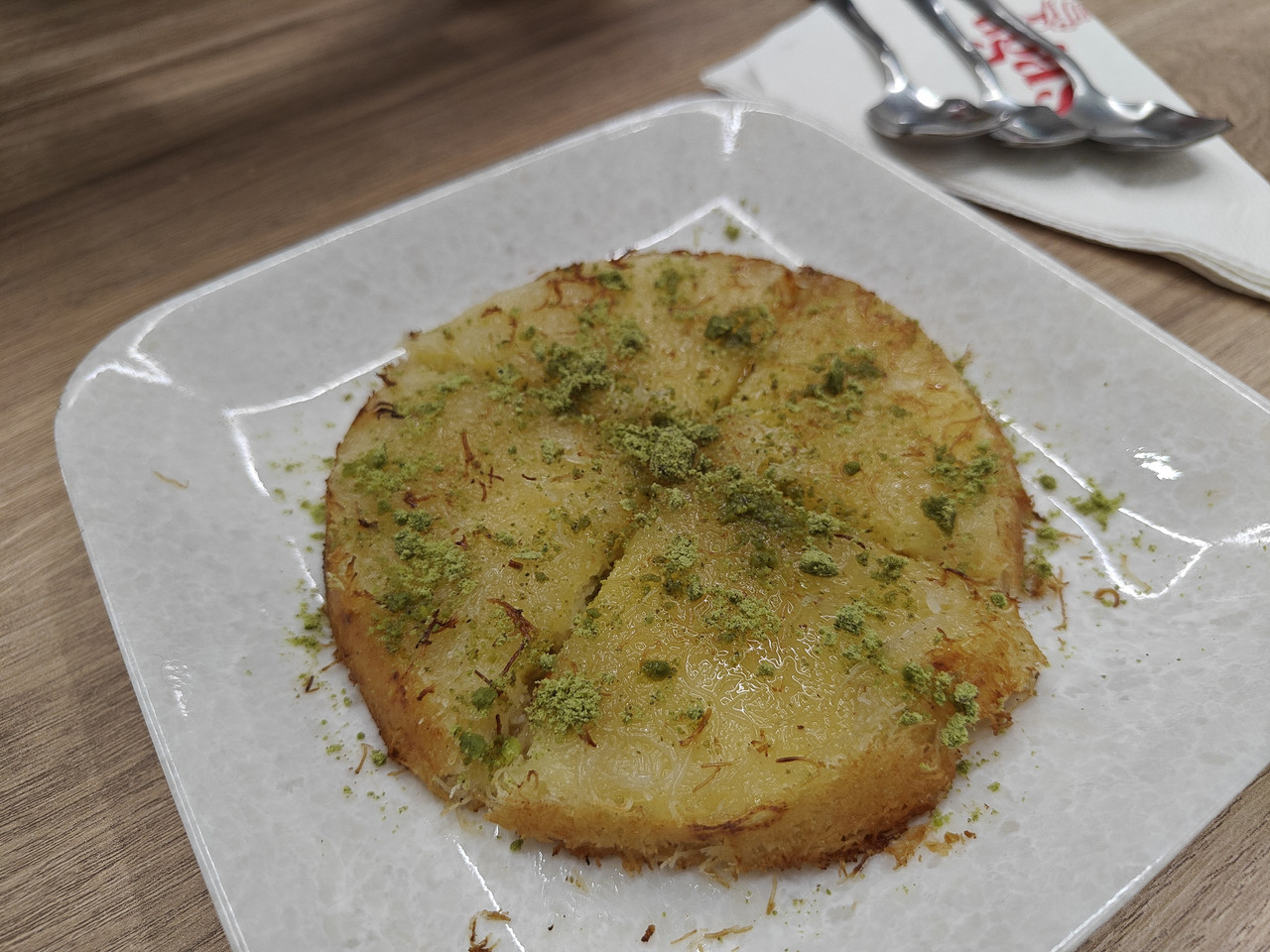
Photo: Cheese kunafa at Agasi, Lajpat Nagar, Delhi, by Contrapunctus-1, via Wikimedia Commons, CC BY-SA 4.0.
Kunafa is the dessert that makes everyone at the table stop talking for a second. A warm round of crisp, golden strands, cut open to show cheese pulling in long, stretchy ribbons, and sweet rose syrup soaking into every bite. It comes from the Arab world — Egypt and the Levant especially — and its most famous version, Knafeh Nabulseyeh, comes from the Palestinian city of Nablus, which is still famous for it today. How old is it, exactly? Nobody can say for sure, and this article will not pretend otherwise. A story written down as early as the 10th century says it was made to satisfy caliphs' hunger during Ramadan — told of Fatimid Egypt, or of Umayyad Damascus. A 13th-century cookbook already gives knafeh recipes. But the cheese-filled kunafa we know today is not ancient at all: food historians note it appears in no record before the 19th century, and the earliest documented cheese-filled recipe is in an 1885 Beirut cookbook. Before that, the filling was nuts. Three countries, one dessert, and every one of them says it is theirs — that is kunafa's story, and it is part of the fun. I am Kashf, and this is the authentic recipe, researched properly, with the Pakistani jugaar for when kataifi is nowhere in the bazaar, and the rules that keep it crisp instead of soggy.
Print this article — keep it in the kitchen for your next special occasion.
Recipe at a Glance
| Prep time | Cook time | Total time | Yield |
|---|---|---|---|
| 20 minutes | 25–30 minutes | About 1 hour, including cooling the syrup | One 25 cm (9–10 inch) round kunafa — 8 slices |
What Is Kunafa?
Kunafa is the dessert of special occasions, holidays and Ramadan — and the cheese pull is the whole point. Cut it warm, within 15–20 minutes of the oven, while the cheese is still stretching. Wait too long and the magic is gone: the cheese sets, the strands soften, and you are eating yesterday's kunafa. So the rule is simple: kunafa waits for no one. Bake it when everyone is already at the table.
Kunafa Around the Region — the Famous Versions
The same dessert wears a different dress in every city. Every line below comes from the verified sources in this article — nothing here is guessed.
| Version | From | What makes it different |
|---|---|---|
| Knafeh Nabulseyeh | Nablus, Palestine | The most famous one. Firm, white, salty Nabulsi cheese (soaked to remove the salt), often a smooth semolina base, and the top tinted orange-red. |
| Künefe | Hatay, Turkey | Filled with a mozzarella-like local Hatay cheese, coated with kaymak (clotted cream) and pistachios on top. |
| Osmalieh | Syria and Lebanon | Crisp kataifi with a cream (qishta) filling instead of cheese, garnished with ground pistachio and flower petals. |
| Egyptian kunafa | Egypt | Often made with nuts or cream, and the 10th-century Ramadan story is told of Fatimid Egypt. |
The Recipe — Crispy Cheese Kunafa at Home
This is the authentic kataifi version, with the quantities cross-checked across four written sources and three home-cook videos — they all agree on the same core method. If kataifi is not available, the sevaiyan version below it is the Pakistani way, and it works too.
Ingredients: 400 g kataifi (shredded filo pastry, thawed overnight in the fridge if frozen) · 150 g melted ghee or unsalted butter (about ⅔ cup) · 400 g low-moisture whole-milk mozzarella, grated · 100 g fresh ricotta (optional, for creaminess) · 40 g pistachios, crushed, for the top.
For the syrup (attar): 1 cup (200 g) sugar · ½ cup (120 ml) water · 1 teaspoon lemon juice · 1 teaspoon rose water (or kewra, the Pakistani pantry version).
You will need: a 25 cm (9–10 inch) round pan, buttered. Low-moisture mozzarella only — fresh buffalo mozzarella releases water and ruins the crisp base.
Method:
1. Make the syrup FIRST — and cool it fully. Put the sugar, water and lemon juice in a small pan. Bring to a boil, then simmer 5–6 minutes until slightly thickened. Stir in the rose water, then set it aside to cool completely. This is the number-one rule of kunafa, and it comes before everything else: cold syrup on hot kunafa. Hot syrup on hot kunafa slides off, soaks unevenly, and turns the crisp hero soggy.
2. Coat every strand. Tease the kataifi apart by hand into loose strands, 2–3 inches long. Pour the melted ghee over it and toss until every single strand is coated. Dry strands stay pale and chewy; coated strands turn golden and shattering.
3. Press the base firmly. Spread half the buttery kataifi in the buttered pan and press it down firmly with the back of a spoon, so it holds together. A loose base falls apart when you cut it.
4. Add the cheese — with a border. Mix the grated mozzarella and ricotta, and spread it over the base — but leave about a 1 cm border with no cheese at the edges. Cheese at the edge leaks out in the oven. Keep the cheese at room temperature before assembly (30 minutes out of the fridge); cold cheese stays unmelted while the pastry over-browns. And do not overload it: too much cheese makes it hard to cut.
5. Cover and press again. Lay the rest of the kataifi over the cheese and press down firmly and evenly.
6. Bake until deep golden. Bake at 180°C for 25–30 minutes, until deep golden and crisp, and the cheese is visibly melted. If the top browns too fast, cover it loosely and let the rest catch up.
7. Flip it out, then syrup. Turn the kunafa out of the pan onto a plate, and pour the cool syrup over the hot kunafa right away. Let it sit 10–15 minutes so the syrup soaks in.
8. Serve warm, with pistachios. Sprinkle the crushed pistachios on top, cut into wedges, and serve within 15–20 minutes — while the cheese still pulls. That pull is the whole show.
The Pakistani Jugaar — Sevaiyan Kunafa
Here is the honest truth: kataifi is hard to find in most Pakistani bazaars. So Pakistani home cooks use what the bazaar does have — sevaiyan, the fine vermicelli. Food Fusion's vermicelli kunafa, and many Cookpad Pakistani cooks, do it this way: 300 g sevaiyan (2 packets), broken into small pieces, mixed with 4–5 tablespoons of butter and a pinch of zarda rang for the famous orange colour; the filling is 1½ cups ricotta or khoya with ¾ cup mozzarella; the syrup is 1 cup sugar and 1 cup water, with rose water or kewra; bake at 180°C for 20–25 minutes. There is even a no-oven version — cook it covered on the stove on low heat for about 15 minutes. The trade-off, stated plainly the way we teach it: sevaiyan gives a crunchier, coarser bite, while kataifi gives the fine, shattering strands. Both work. Kataifi is the authentic texture; sevaiyan is the jugaar that saves the day when kataifi is nowhere to be found. At home nobody watches cost, only quality — in a bakery, cost is watched first, and quality is built around it. So if you want the real thing, hunt for kataifi; if you want kunafa tonight, sevaiyan will not disappoint you.
Common Mistakes — and the Fix for Each
Every line below comes from the method and the sources in this article — nothing here is guessed.
| Mistake | What happens | The fix |
|---|---|---|
| Hot syrup on hot kunafa | The syrup slides off and soaks unevenly — soggy in patches. | Make the syrup first and cool it fully. Cold syrup on hot kunafa, always. |
| Fresh mozzarella | Water releases as it melts and the crisp base goes soft. | Use low-moisture whole-milk mozzarella only. Drain ricotta 30 minutes if you use it. |
| Cheese spread to the edge | Cheese leaks out in the oven and burns on the pan. | Leave a 1 cm cheese-free border all around. |
| Base not pressed | The kunafa falls apart when you flip it out and cut it. | Press the base firmly with the back of a spoon before adding the cheese. |
| Served cold, or too late | The cheese sets, the strands soften, and there is no pull. | Serve warm, within 15–20 minutes of the oven. Bake it when everyone is at the table. |
| Syrup poured too early, or too much | The kunafa drowns and turns to sweet mush. | Pour the cool syrup over the hot kunafa, let it sit 10–15 minutes, and do not use more than the recipe gives. |
How to Store It
Kunafa is a serve-warm dessert, and it is at its best in the first 20 minutes. Leftovers keep in the fridge for 2–3 days in an airtight box, but the strands will soften — that is normal. To bring a slice back, warm it in a hot oven for 5–7 minutes, not the microwave, so the top crisps up again. Do not freeze it: the cheese and the syrup do not survive freezing well, and the strands turn to mush when thawed.
Save this recipe on Pinterest for later.
Frequently Asked Questions
What cheese is best for kunafa?
Traditionally akkawi or Nabulsi cheese, soaked for 1–2 hours to remove the salt. The easiest reliable choice at home is low-moisture whole-milk mozzarella — it stretches beautifully — with a little ricotta mixed in for creaminess. Never use fresh buffalo mozzarella; it releases water and ruins the crisp base.
Can I use vermicelli (sevaiyan) instead of kataifi?
Yes — it is the standard Pakistani swap, and it works. Use 300 g sevaiyan with 4–5 tablespoons of butter, the same cheese filling, and bake at 180°C for 20–25 minutes. The bite is crunchier and coarser than kataifi's fine strands, but the flavour is the same family. Kataifi is the authentic texture; sevaiyan is the jugaar.
Why did my kunafa go soggy?
Almost always the syrup: either it was poured on hot, or too much of it was used. The syrup must be fully cool when it meets the hot kunafa, and one cup of sugar to half a cup of water is enough for this size. Fresh mozzarella is the other usual cause — it leaks water as it melts.
Can I make kunafa without an oven?
Yes. Assemble it in a heavy pan, cover it, and cook on low heat on the stove for about 15 minutes, then flip and cook the other side until deep golden. The vermicelli version works especially well this way — it is how many home cooks make it.
How long does kunafa keep?
It is best warm, within 15–20 minutes. Leftovers keep 2–3 days in the fridge in an airtight box; reheat slices in a hot oven for 5–7 minutes to crisp the top again. Do not freeze it.
Myth vs Fact
Myth: "Cheese-filled kunafa is a centuries-old recipe."
Fact: the dessert itself is old — 10th-century stories, 13th-century cookbooks — but the cheese filling is not. Food historians note cheese-filled kunafa appears in no record before the 19th century, and the earliest documented recipe is from an 1885 Beirut cookbook. Before that, the filling was nuts.
Myth: "Pour the syrup on while everything is hot."
Fact: hot syrup on hot kunafa is the number-one soggy mistake. The syrup must be cool and the kunafa hot. Cold syrup soaks in evenly and keeps the strands crisp.
Myth: "Any mozzarella works in kunafa."
Fact: only low-moisture mozzarella works. Fresh mozzarella releases water as it melts and softens the base from inside — the crispness is gone before you even cut it.
Myth: "Kunafa belongs to only one country."
Fact: its origin is honestly debated — Palestine, Egypt, Syria and Turkey all have a claim, and the most famous version is named after Nablus. Three countries, one dessert, and everyone says it is theirs.
From Our Bakery to Your Kitchen
Kunafa is a small test of patience: syrup first, strands coated, cheese in the middle, border left bare, and serve it warm while the cheese still pulls. Get those five right and the rest follows. If you are new to syrup desserts, our soft gulab jamun is the easiest place to start — the same syrup logic, in a smaller pan — and our melt-in-mouth barfi shows what khoya can do when it is treated gently. And if measuring is where things slip, the Recipe Cards keep your sugar, water and cheese in the right balance — half the fix is getting the measures right.
More From Our Bakery Counter
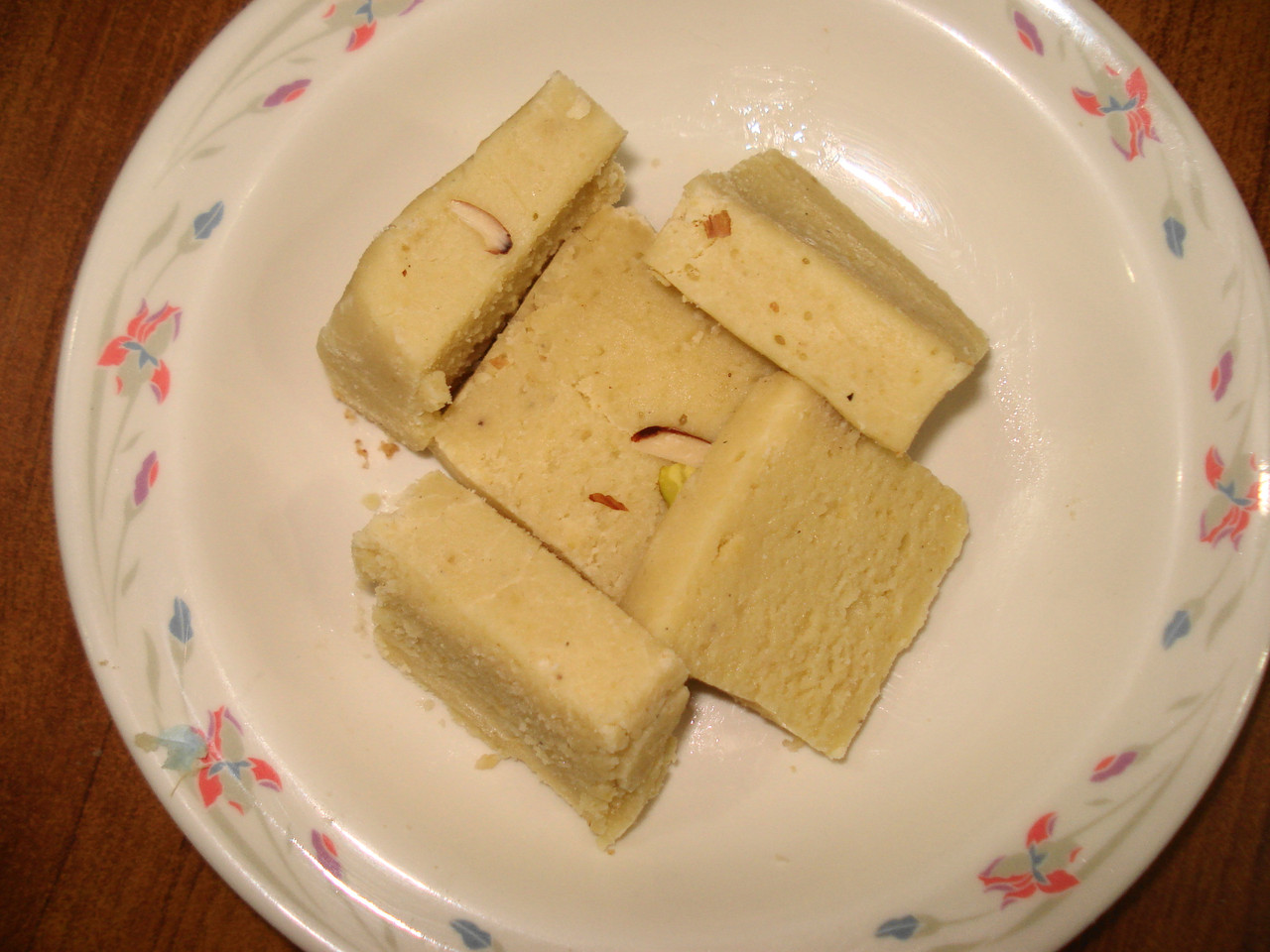 Melt-in-Mouth Barfi — Khoya, Badam, Pista & Fruit |
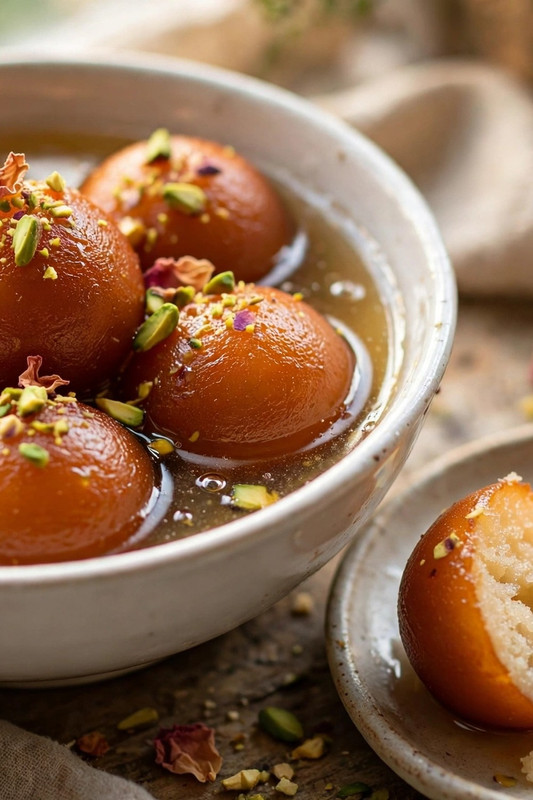 How to Make Soft Gulab Jamun at Home |
 Nan Khatai Recipe — Bakery-Style Almond Shortbread |
About the Author
I am Kashf — sharing the secret recipes of a branch of one of Pakistan's famous bakeries. Every recipe here is tested at our bakery counter and in my own kitchen.
Never Miss a Recipe
Get our free Mithai Rescue Chart and never miss a recipe from our bakery counter.Join free
Coming Next on Baking With Kashf
On Wednesday, 2 December, a knowledge post from our counter — one of those "what is the difference?" questions every home baker asks, answered the simple way, with real examples from the bakery. Stay with us.


Comments
Post a Comment