Simple Sponge Cake Recipe | Soft Vanilla Sponge at Home (No Butter, No Oil)

Photo: Tapas Kumar Halder, CC BY-SA 4.0, via Wikimedia Commons
A sponge cake is the simplest cake there is — and the easiest to get wrong. Six eggs, sugar, flour, a little vanilla, and nothing else. No butter, no oil. The egg is what lifts it, the egg is what makes it soft, and the egg is what gives it that light, springy crumb that takes cream and jam so well. I am Kashf, and this is our bakery's 1-pound vanilla sponge — the base under most of our fresh cakes. It is a guide as much as a recipe: what a sponge really is, why it rises without butter, and how to make it at home, step by step.
Print this article — keep it in the kitchen for your next fresh cake.
Recipe at a Glance
| Prep time | Cook time | Total time | Yield |
|---|---|---|---|
| 10 minutes | 20–22 minutes | About 35 minutes, plus cooling | 1-pound sponge — two 8-inch layers |
What Is a Sponge Cake?
A sponge cake is a cake lifted by egg foam, not by butter and not by a heavy batter. You whisk eggs and sugar until they turn thick, pale and many times bigger — that air is the whole cake. Flour is folded in gently, so the air stays. That is why a sponge feels so different from a butter cake: it is lighter, springier, and it drinks up syrup, milk and cream instead of sitting heavy under them.
And one thing first, because it worries every home baker: a sponge smells a little of egg, and that is not a fault. Sponge is made with egg — the smell is part of it, and it fades as the cake cools. Our full guide to the egg smell, and the five easy fixes when it is too strong, is here: Why Your Sponge Smells of Egg — 5 Easy Fixes From Our Bakery. The single biggest fix is in this recipe already: whisk the eggs long enough, until they are truly thick and pale.
Sponge Cake vs Butter Cake — What Is Different?
The two cakes look similar on the counter, but they are built in opposite ways. Every line below comes from the verified recipes in this article — Tatyana's Everyday Food for the sponge, and Cakes by Lynz and RecipeTin Eats for the butter cake.
| Sponge cake (this recipe) | Butter cake | |
|---|---|---|
| What lifts it | Air whisked into eggs and sugar — no butter, no oil | Butter creamed with sugar, plus baking powder |
| Main ingredients | 6 eggs, 1 cup sugar, 1 cup flour, 1 tsp baking powder, vanilla | Equal weights of butter, sugar and flour, plus eggs (e.g. 340 g each, 4 eggs) |
| Texture | Light, springy, airy — it soaks up syrup and cream | Rich, dense, moist — it stands on its own |
| Bake | 177°C, 20–22 minutes, two 8-inch pans | 180°C, about 25–45 minutes, depending on the tin |
| Best use | Layered fresh cakes, tres leches, trifles — anything with cream, jam or syrup | Plain tea cakes, cupcakes, cakes eaten as they are |
The Recipe — Our Bakery's 1-Pound Vanilla Sponge
This is the whole-egg sponge we use as a base: six eggs, sugar, flour, a spoon of vanilla, and nothing else. Room-temperature eggs whisk up much better than cold ones — take them out of the fridge about 30 minutes before you start.
Ingredients: 6 large eggs, room temperature · 1 teaspoon vanilla essence · 1 cup (200 g) white granulated sugar · 1 cup (120 g) all-purpose flour (maida) · 1 teaspoon baking powder.
You will need: two 8-inch round pans, lined with parchment paper on the bottom only. Do NOT grease the sides — the sponge needs to grip the sides and climb as it rises. A greased side makes it slide back down.
Method:
1. Check every egg first — Kashf's rule. Before any egg goes into the bowl, crack it into a small cup first, one at a time. One bad egg can spoil the whole sponge, and once it is in the bowl it is too late. Check all six, then pour them in.
2. Whisk eggs, sugar and vanilla. Put the eggs, sugar and vanilla in a large bowl. Whisk on high speed for 7–9 minutes, until the mixture is thick, pale white and many times bigger — when you lift the whisk, it should fall in a ribbon that sits on the surface for a second before sinking in. This is the whole cake: the air you whisk in now is what lifts the sponge. Whisking longer also takes away the eggy smell — under-whisked eggs are the main reason a sponge smells strongly of egg.
3. Sift the flour and baking powder in, in thirds. Sift one third of the flour and baking powder over the egg mixture and fold it in gently with a spatula — down the middle, around the bowl, and lift. Do not use the whisk or the mixer here, and do not stir hard. Repeat with the second third, then the last third, until no dry flour is left. Gentle folding keeps the air you just whisked in; hard mixing knocks it out and the sponge comes out flat.
4. Into wide, flat pans. Divide the batter evenly between the two lined 8-inch pans and smooth the tops lightly. Wide, flat pans are our bakery rule for sponge — the batter bakes evenly and the layers come out level, so the cake stacks neatly later.
5. Bake. Bake at 350°F (177°C) for 20–22 minutes, until the tops are a rich golden brown and the sponge springs back when you press it lightly. If it looks pale or sinks after coming out, it was underbaked — give it 3–5 minutes more next time.
6. Knife along the edge, straight away. The moment the pans come out, run a thin knife along the edge of each sponge. This stops the sponge from shrinking and pulling away as it cools, and it is also what keeps the top flat — if your sponge domes up in the middle, this step, or turning the pan upside down to cool, is the fix.
7. Cool completely on a wire rack. Turn the sponges out and let them cool fully on a wire rack before you cut or fill them. A warm sponge tears and crumbles; a cool sponge slices clean.
From Sponge to Fresh Cake — Our Bakery's Assembly Rules
A sponge on its own is only half the cake. The other half is how it is put together, and this is where our counter does things its own way.
Brush milk on a made-ahead sponge. A sponge made a day ahead goes firm as it cools — that is normal, not a failure. Brush a little milk over each layer before you fill it, and it turns soft again. It is the same idea as the milk in a tres leches: the sponge drinks it up and comes back to life.
Fewer, thinner cream layers. Two thin layers of cream beat one thick one. Thick cream slides and squeezes out; thin layers hold, and the cake cuts cleanly.
Fruit syrups colour with flavour. When we want a coloured layer, we reach for a fruit syrup, not plain colour — strawberry or mango syrup gives the colour and the taste together. The colour is never there on its own.
Half-and-half cake. For a customer who cannot decide, we make half the cake one flavour and half another — one side chocolate, one side vanilla, split down the middle. One cake, two tastes, and nobody has to choose.
How to Store It
A plain sponge keeps well if it is wrapped airtight. At room temperature it keeps for 2–3 days. In the fridge it keeps for 5–7 days — bring it back to room temperature before serving, or brush it with a little milk, so it is soft again. In the freezer, wrapped well, it keeps for 2–3 months; thaw it in the fridge overnight. Do not leave a filled sponge cake sitting out in the heat — once cream is in it, it is a fridge cake.
Common Mistakes — and the Fix for Each
Every line below comes from the method and the sources in this article — nothing here is guessed.
| Mistake | What happens | The fix |
|---|---|---|
| Eggs not whisked long enough | Flat sponge, and a strong eggy smell. | Whisk on high 7–9 minutes, until thick, pale and ribbon-like. Longer whisking means more air and less egg smell. |
| Flour stirred in hard, or with a whisk | The air is knocked out and the sponge sinks. | Sift the flour in thirds and fold gently with a spatula — never whisk the flour in. |
| Sides of the pan greased | The sponge cannot grip and climb, so it stays low. | Line the bottom with parchment only. Leave the sides dry. |
| Underbaked | The sponge looks fine, then sinks and goes flat after the oven. | Bake until rich golden brown and springy — 20–22 minutes. If it sank, add 3–5 minutes next time. |
| No knife along the edge | The sponge shrinks, pulls in, and domes in the middle. | Run a thin knife along the edge the moment it comes out of the oven. |
| One bad egg in the bowl | The whole sponge is spoiled. | Crack every egg into a small cup first, one at a time, before it goes in. |
| Made-ahead sponge gone firm | Dry, hard layers that crumble when cut. | Brush a little milk over each layer before filling — it turns soft again. |

Save this recipe on Pinterest for later.
Frequently Asked Questions
Why does my sponge cake smell of egg?
Because sponge is made with egg — a light egg smell is normal and it fades as the cake cools. If the smell is strong, the eggs were under-whisked. Whisk them longer, until thick and pale, and add the full teaspoon of vanilla. Our full guide is in Why Your Sponge Smells of Egg — 5 Easy Fixes.
Can I make it without baking powder?
The baking powder is only 1 teaspoon, and it is there as a safety net. A sponge can rise on egg foam alone, but with the baking powder the rise is surer — keep it in, especially your first time.
Why did my sponge sink after the oven?
It was underbaked, or the flour was mixed in too hard and the air was knocked out. Bake until rich golden brown and springy, and fold the flour in gently in thirds.
Can I bake it in one pan instead of two?
Yes, but it will take longer — about 30–35 minutes in one deep 8-inch pan — and you must slice it into layers yourself once it is fully cool. Two pans bake faster, more evenly, and the layers come out level.
How long does it keep?
2–3 days at room temperature in an airtight box, 5–7 days in the fridge, 2–3 months in the freezer. A made-ahead sponge that has gone firm only needs a milk brush to turn soft again.
Myth vs Fact
Myth: "A sponge needs butter to be soft."
Fact: a sponge has no butter at all, and it is soft because of the air whisked into the eggs. Butter makes a different cake — a rich butter cake, not a sponge.
Myth: "An eggy smell means the eggs were bad."
Fact: a light egg smell is normal in sponge — it is made with egg. Bad eggs smell rotten, not eggy. Check every egg in a small cup first, and whisk the good ones long and pale.
Myth: "Greasing the sides helps the sponge come out."
Fact: greasing the sides stops the sponge climbing, so it stays low. Line the bottom with parchment only, and run a knife along the edge straight out of the oven.
From Our Bakery to Your Kitchen
This is the sponge under most of our fresh cakes: six eggs, sugar, flour, vanilla, and patience with the whisk. If your first sponge is not perfect, do not worry — check the two things that matter most: did you whisk long enough, and did you fold gently? Get those two right and the rest follows. If you are new to cake baking, our first article — How to Make a Soft and Fluffy Cake at Home: 7 Easy Tips for Beginners — is the best place to start, and our eggy-sponge guide covers the smell question in full. And if measuring is where things slip, the Recipe Cards keep your eggs, sugar and flour in the right balance — half the fix is getting the measures right.
More From Our Bakery Counter
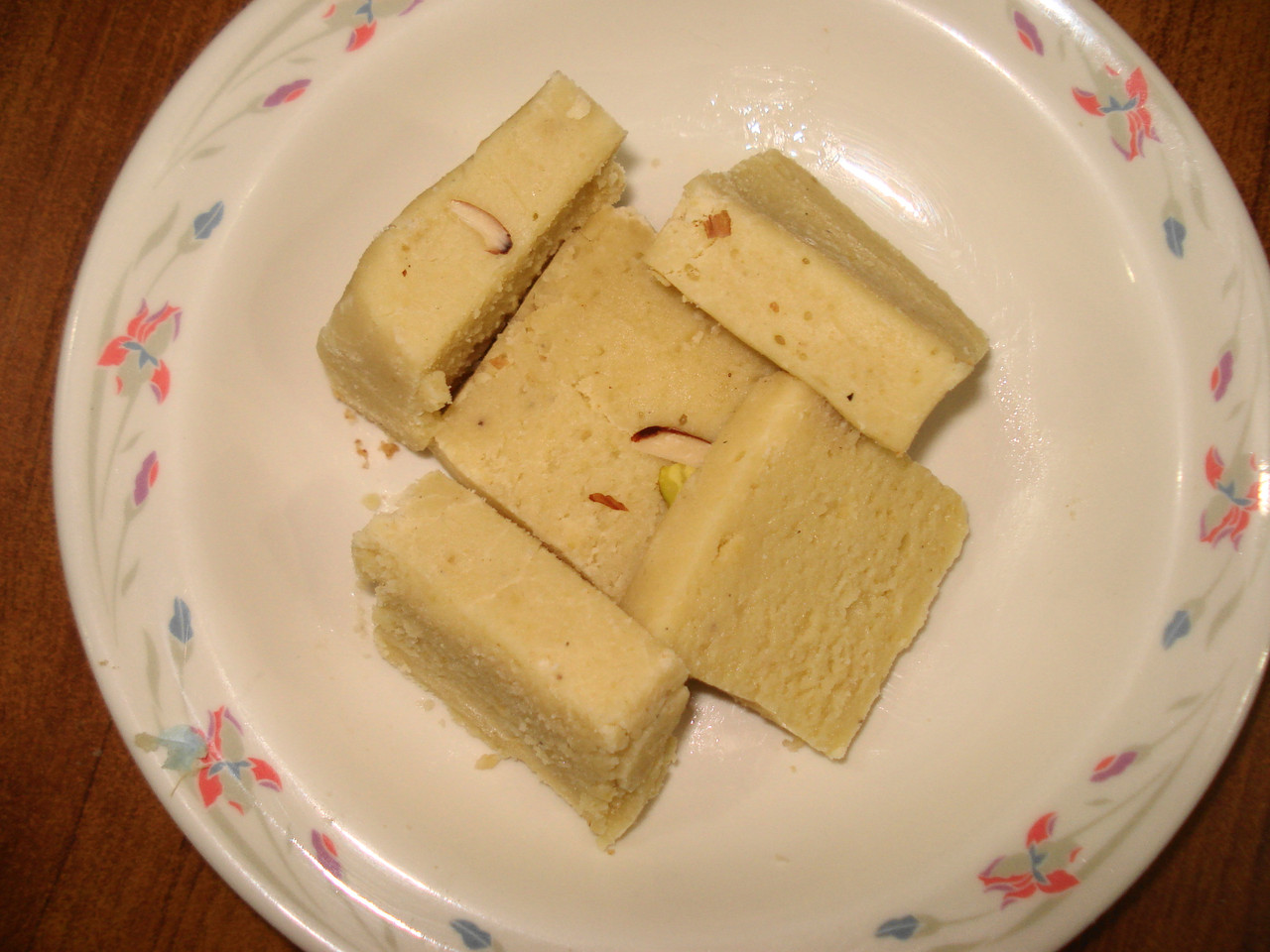 Melt-in-Mouth Barfi — Khoya, Badam, Pista & Fruit |
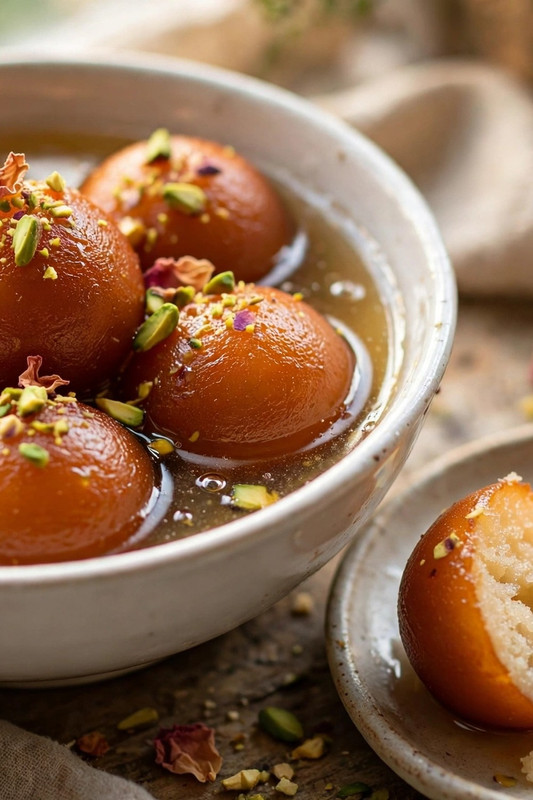 How to Make Soft Gulab Jamun at Home |
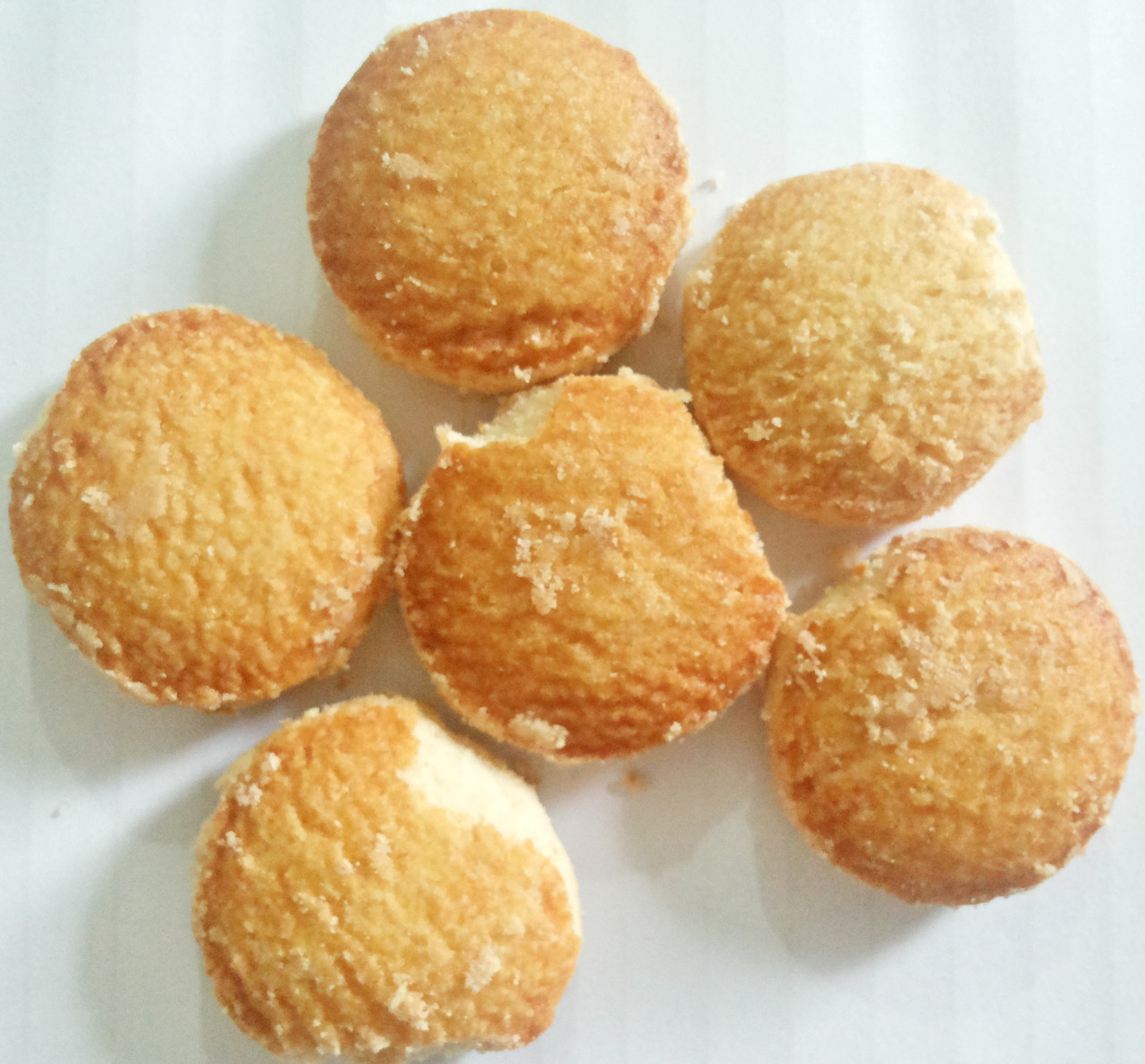 Nan Khatai Recipe — Bakery-Style Almond Shortbread |
Coming Next on Baking With Kashf
On Monday, 30 November, something special is coming from our counter: Kunafa — the famous Middle Eastern dessert of crispy golden strands, soft cheese and sweet syrup. The authentic recipe, researched properly, with our own bakery tips and a little fun along the way. Stay with us.
About the Author
I am Kashf — sharing the secret recipes of a branch of one of Pakistan's famous bakeries. Every recipe here is tested at our bakery counter and in my own kitchen.
Never Miss a Recipe
Get our free Mithai Rescue Chart and never miss a recipe from our bakery counter.Join free


Comments
Post a Comment